


.png)
Connecticut Regional School District 8 Faces Questions Over Alleged Classroom Political Bias
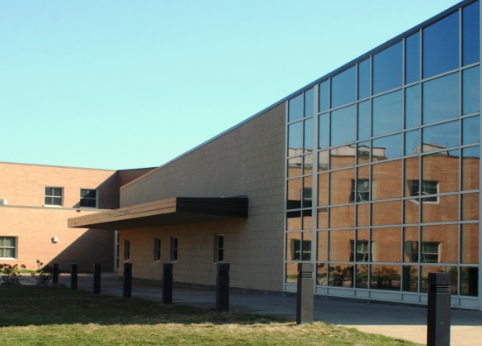
District officials have not released the instructional materials, and the allegation has not been independently verified.
A complaint involving Regional School District 8 in Hebron, Connecticut, which oversees RAHM middle and high schools, is raising renewed scrutiny over how politics is presented in the classroom.
A person familiar with the matter alleged that students were shown a lesson characterizing conservatism as “oppressive and evil,” while describing liberalism as promoting “liberty, freedom, and equality for all people.”
The source also alleged the teacher cautioned students, “I don’t want any angry emails from parents.” The underlying slides or handouts have not been made public, and the claims could not be independently confirmed from district records available online.
Regional School District 8 maintains a public Board of Education policies portal, but it does not appear to provide immediate public access to the specific classroom materials referenced in the allegation.
The district also publishes general course information, including social studies offerings that emphasize civics and U.S. history requirements.
Connecticut’s statewide social studies standards stress inquiry, evidence, and civil discourse—an approach intended to help students analyze competing ideas rather than be steered into a preferred ideology.
State law also requires public schools to provide instruction in civics, government, history, and related topics as part of the prescribed program of study.
Parents seeking clarification on what was taught can request public records from their local school district under Connecticut’s Freedom of Information Act.
Connecticut lawmakers and education stakeholders have also focused in recent years on strengthening civics and media literacy, highlighting the importance of viewpoint diversity and critical thinking in classrooms.


Comments